
First of all – if you can, if you have the time, funds, health etc – do it! It is one of the most beautiful places I have ever been in the world, none of the pictures do the landscape justice, you just have to see it for yourself.
We had a bit of a hiccup at the start of our experience as we booked through ‘Yapa Explorers’ – a company recommended not only by Peru Hop, but also BBC, National Geographic etc, so we were happy to pay quite a lot of money to go with them because we thought they were the best. To our surprise, when we had our briefing (which they were late for), the company actually taking us were called Inka Trail Expeditions. When we finally had internet again and did some research, we found that Inka Trail Expeditions would have been about $100 cheaper to book directly per person. It also had a different split of the days than was advertised on the Yapa website and therefore had different campsites. Finally, unlike most other operators, we were expected to carry all our own personal items – most other operators give you a small duffle bag for you to put your sleeping bag and 2.5-3kg of clothes etc. I’m sorry, but there was just no way I was going to be able to carry all my stuff on my back for 4 days, hiking up hill, at altitude. Luckily, our guide spoke to his boss and they agreed that we could have 1 duffle to share which the porters would carry, in addition to our sleeping bags. I felt a bit better after this was agreed and we didn’t want to fall out with our guide (Chino) too much as we were going to be with him for the next 4 days!
After the briefing, we ran out to hire sleeping bags and walking poles (we didn’t know we needed them). You can always hire these with your operator but there are tones of places in Cusco where you can hire camping stuff at a fraction of the price. We hired sleeping bags and poles for 4 days for just under £12 each while our operator was charging £30.
Top tip: even if you think you don’t need poles, get them. We are two relatively fit, young people and they came in so useful, especially for the long downhill stretches – protect your knees people! Also, you will most likely be required to bring your own water for the first day, including the evening so bring a lot – I would say a minimum of 2 litres per person.
The next morning we were up at 5:30am to get on our bus at 6am. Nearly all hostels/hotels will provide bag storage free of charge, Wild Rover did even though we had already checked out.
The drive to Pisacucho is only 1.5 hours and we stopped about an hour in to grab breakfast. Note – you will likely have to pay for this and your lunch in Aques Callientes on the last day. Bring enough cash for this, snacks on the trail and the tip for your porters, cook and guide (more on this at the end).
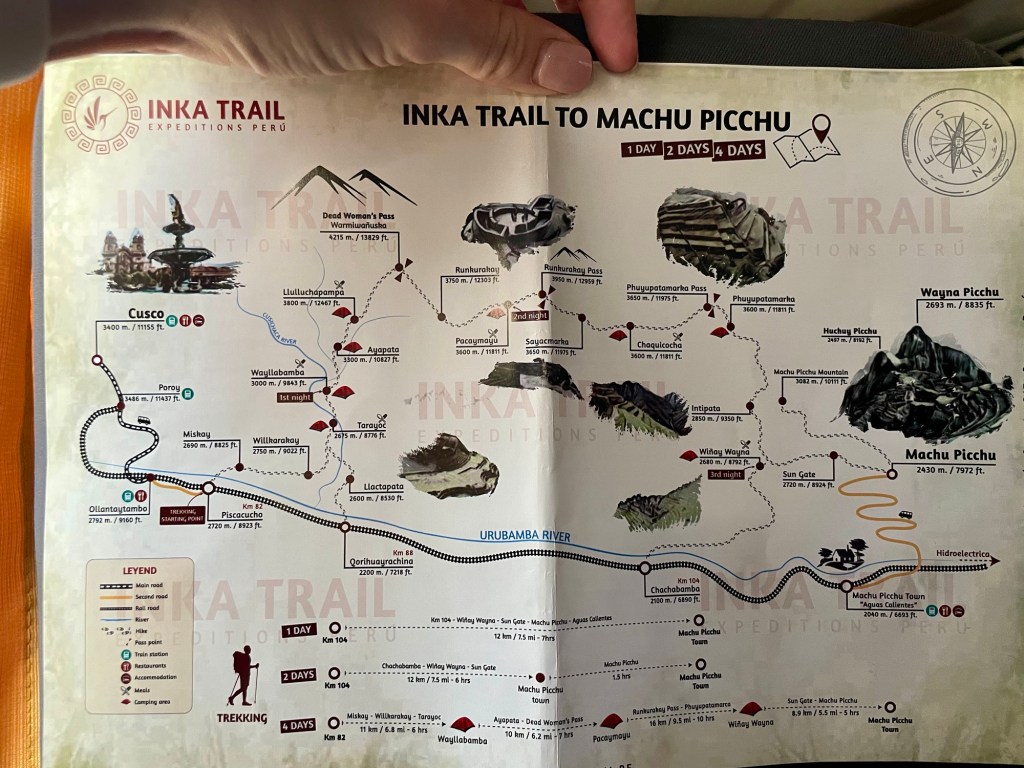

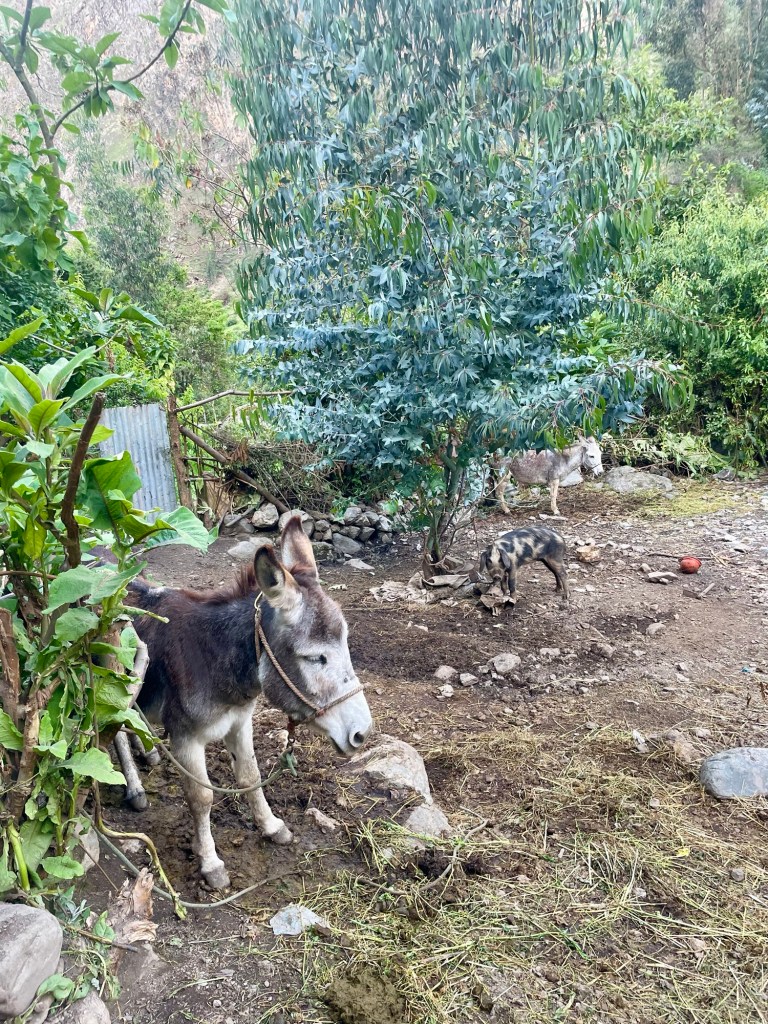
By 9am, we had set off on the hike. The first day was pretty easy, it was about 12km and mostly flat. Even though we were in the rainy season, we had blistering sunshine which only added to the breathtaking scenery. Our first lunch was an experience as this lunch, as well as the first nights camping, were really the only complaint we had for our whole experience. To be clear, this was not about the food, the food the entire trip was fantastic and there was always too much of it! It was the sites themselves. On the first day, both spots seemed like they were someone’s backyard, filled with animals (which meant poo everywhere) and everything was just very dirty. Lewis and I can deal with dirty – they were extra bad. When we stayed at actual campsites the facilities were much better and we suspect other operators stay at these official campsites every night!
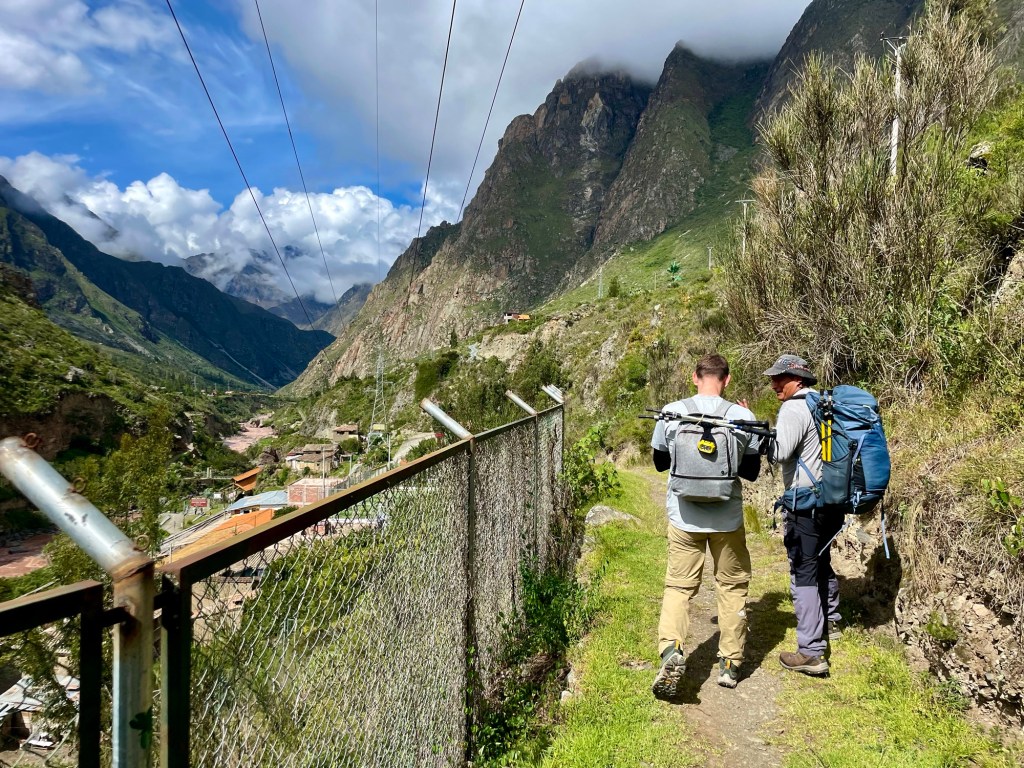
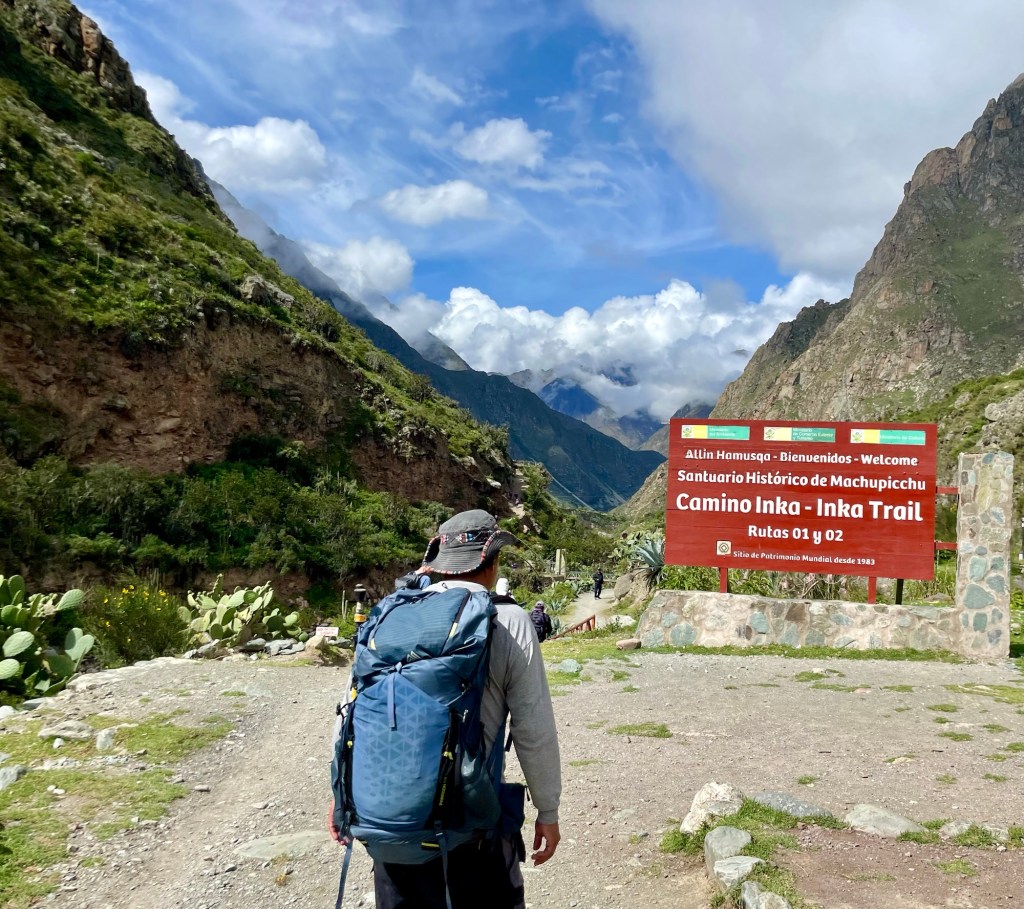
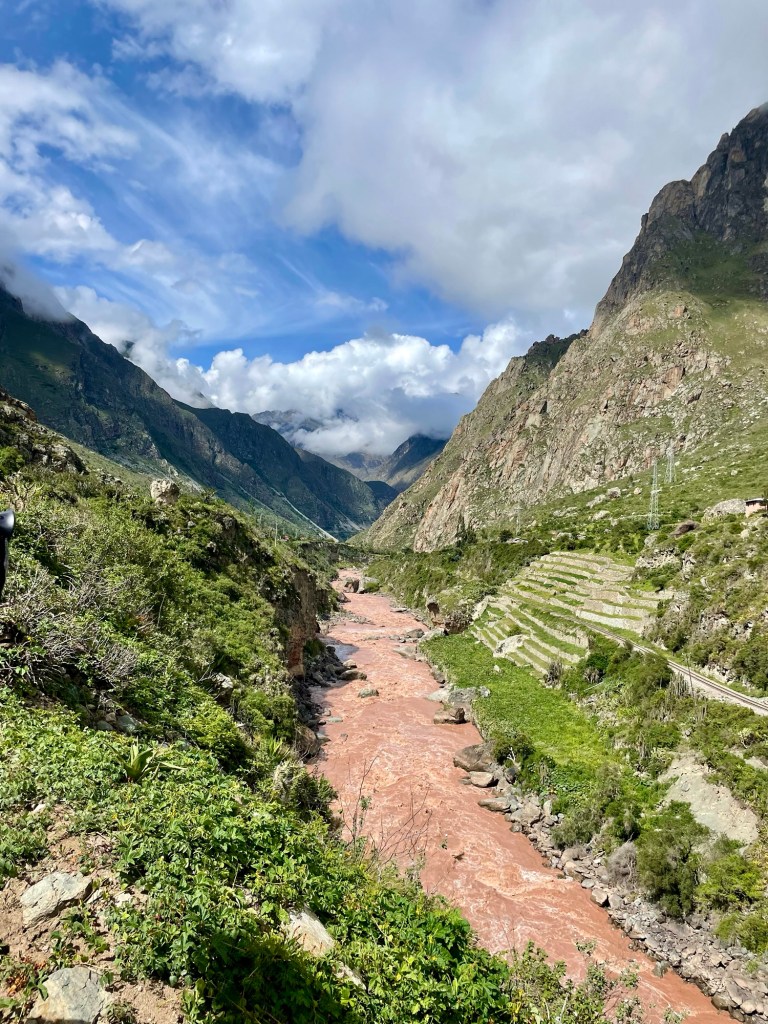


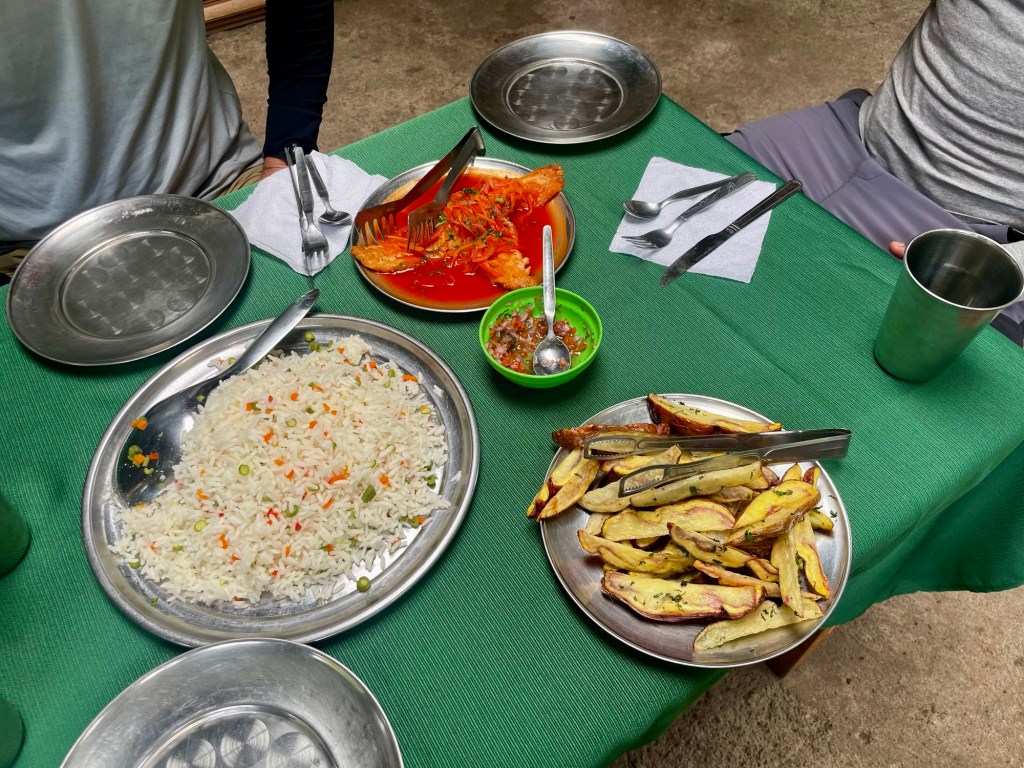
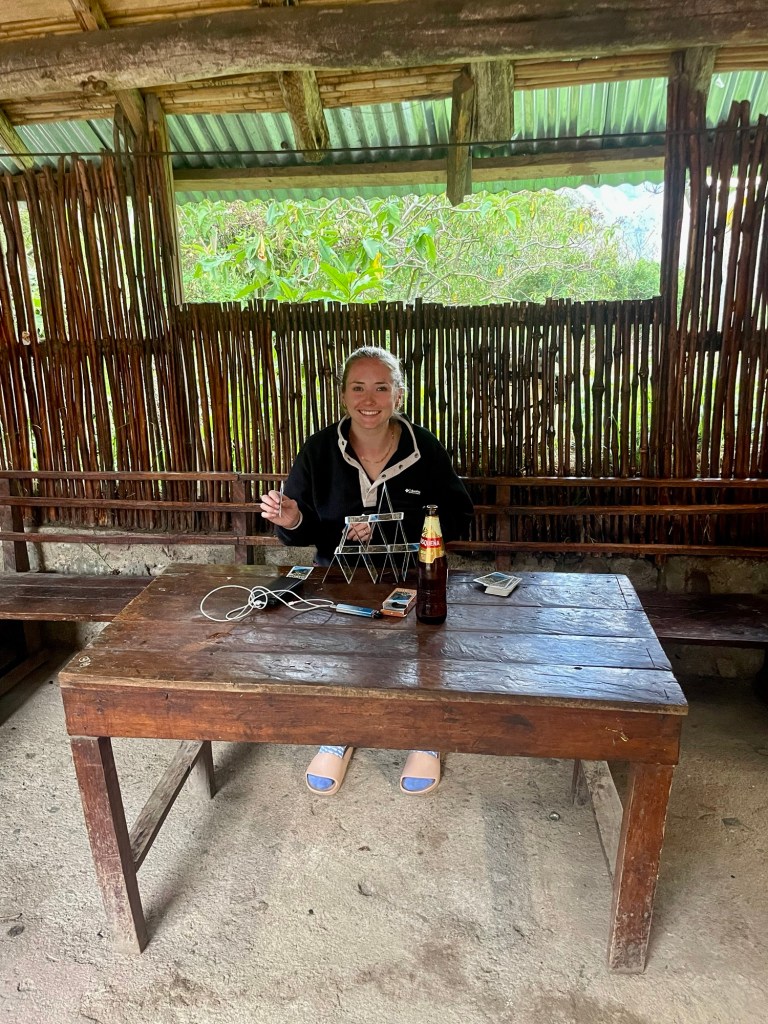
Each evening before dinner we had ‘tea time’ (which our guide called ‘Happy Hour’) around 5pm consisting of tea, hot chocolate, popcorn and another snack. If you are a fast walker and end up at the camp well before 5pm, you may find yourself twiddling your thumbs a bit. There really isn’t anything to do, so my advice would be to bring a pack of cards – or walk slower! There is no prize for reaching the camp quickly and you may miss the views if your only focus is on walking. It’s amazing how tired we were after a day of walking and once it got dark, around 8pm, we were already tucked up in our tent ready to go to sleep.




On our second day we did the famous Dead Woman’s pass after a 5am wake-up with a cup of coca tea. This was about 4 hours of hiking uphill to a top altitude of 4215m. If I am completely honest, I was really worried about this day. I’m not really a fan of walking uphill and I hadn’t worked out since before Christmas but it was so much better than I expected. We walked what we felt was really slowly, we went in a zig-zag pattern so every step wasn’t a fight against gravity, the poles helped and I had this alcohol-based liquid called Agua de Florida you put in your hands and sniff to help with the altitude (it was the same thing our guide had on Rainbow Mountain). We made it up nearly an hour before the guide said he expected us to get there and I honestly felt fine! If you’re worried about anything on this hike I promise you you will be able to do it – there is no race, just take your time. Once at the top we had a decent break and were lucky enough to see 3 deer! A doe and her two babies.
Once we’d recovered it was 1.5 hours downhill, this is when the hiking poles are really worth every penny! With our tour we stopped at lunch time when we reached the campsite. We napped & had a freezing cold shower coming straight from the glacier above (being clean was worth the pain). With other operators you have lunch where we camped and head up the next peak – Runkurakay Pass, another 1-1.5 hours uphill and its steep!

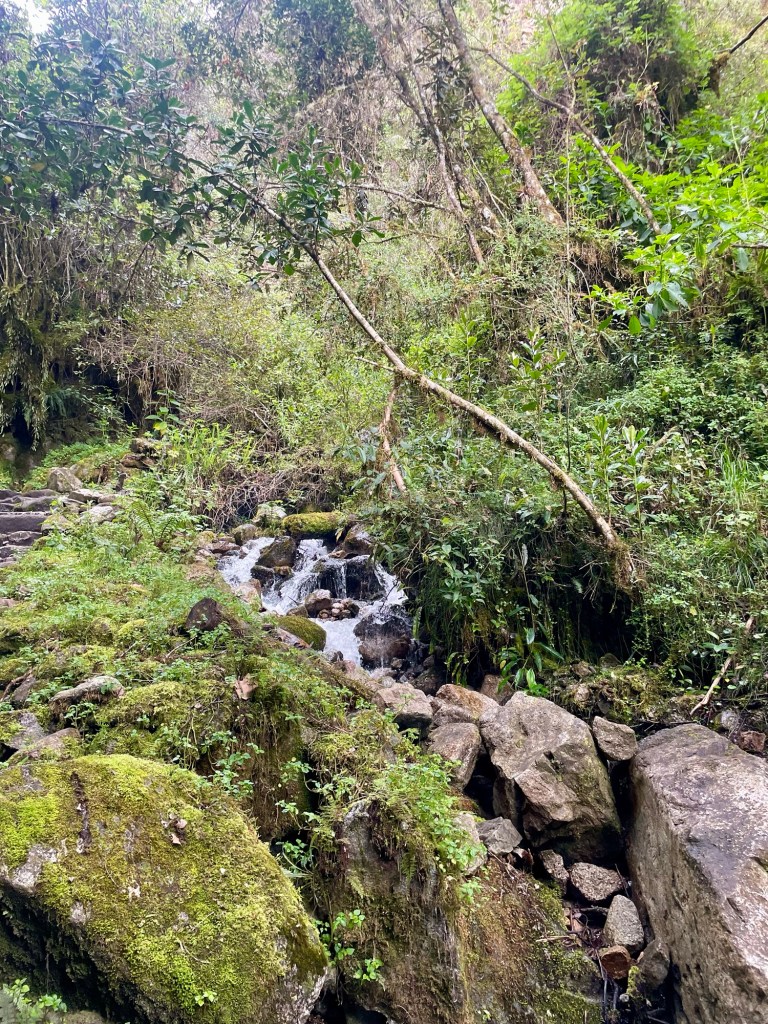
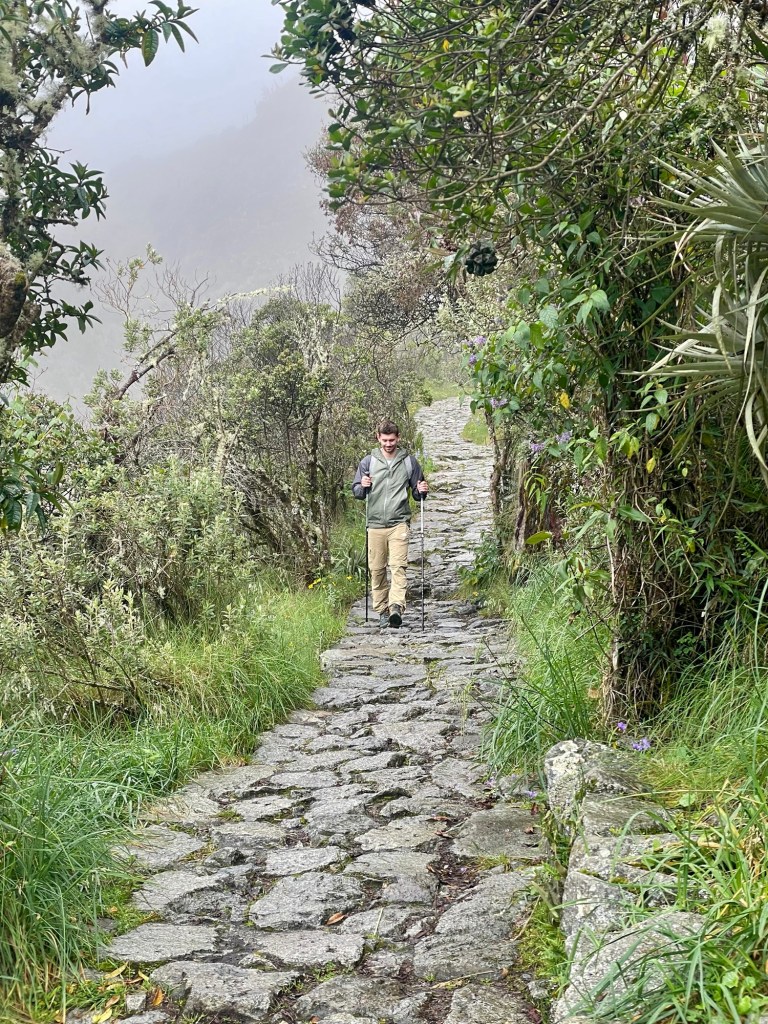
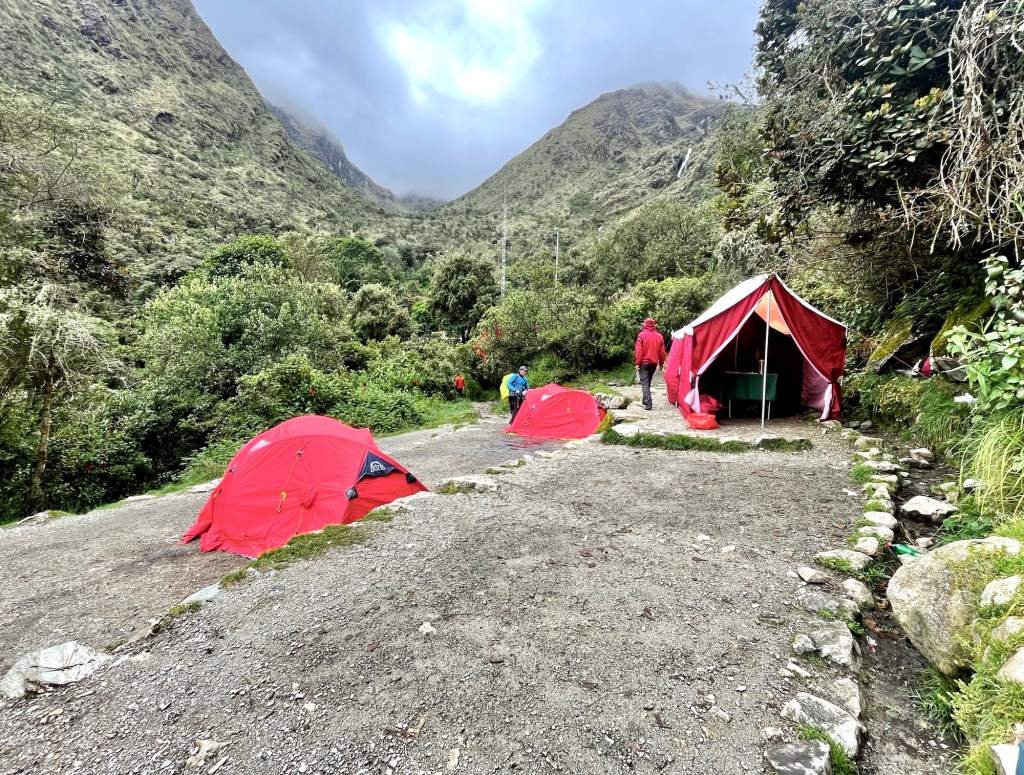
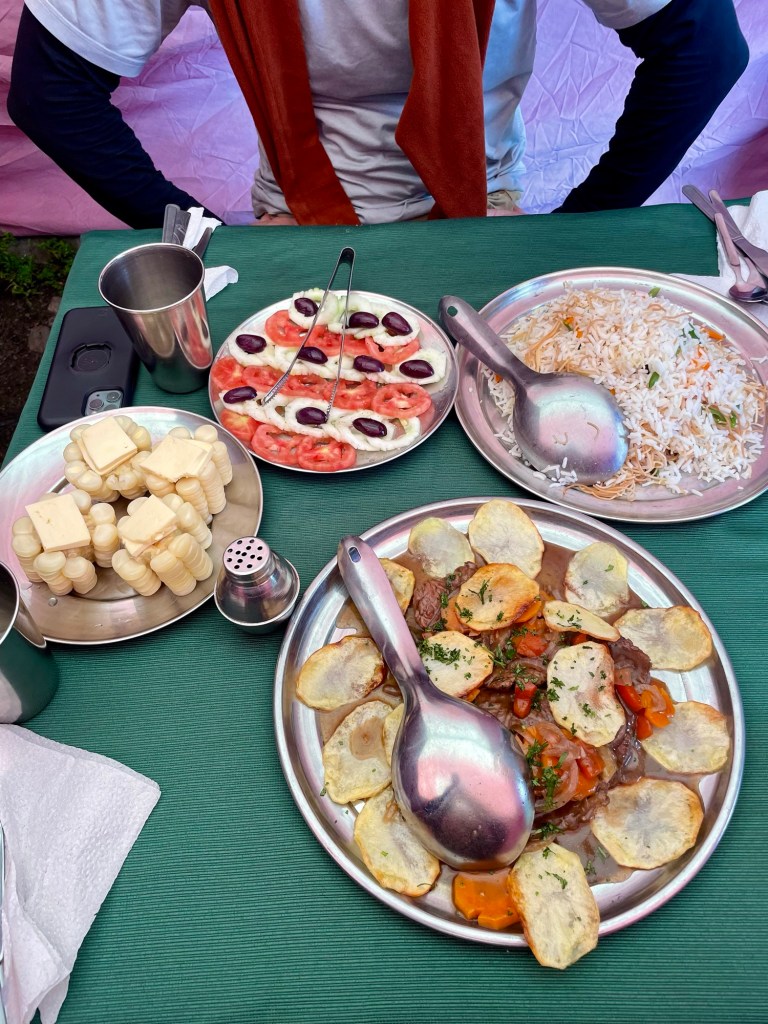

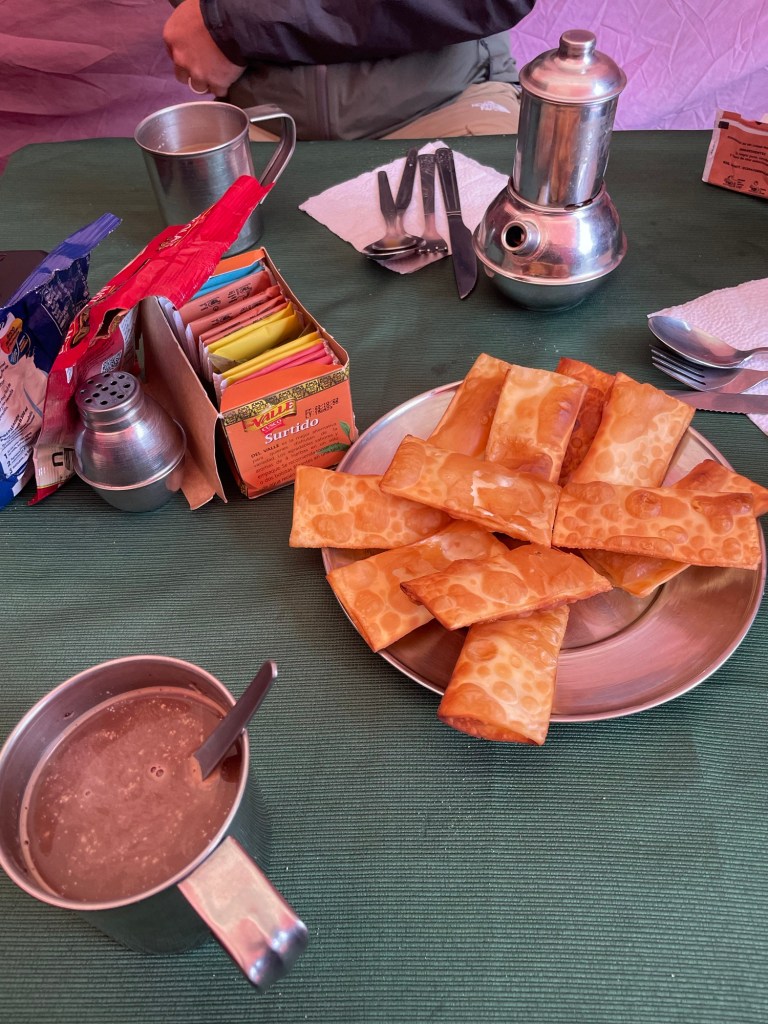
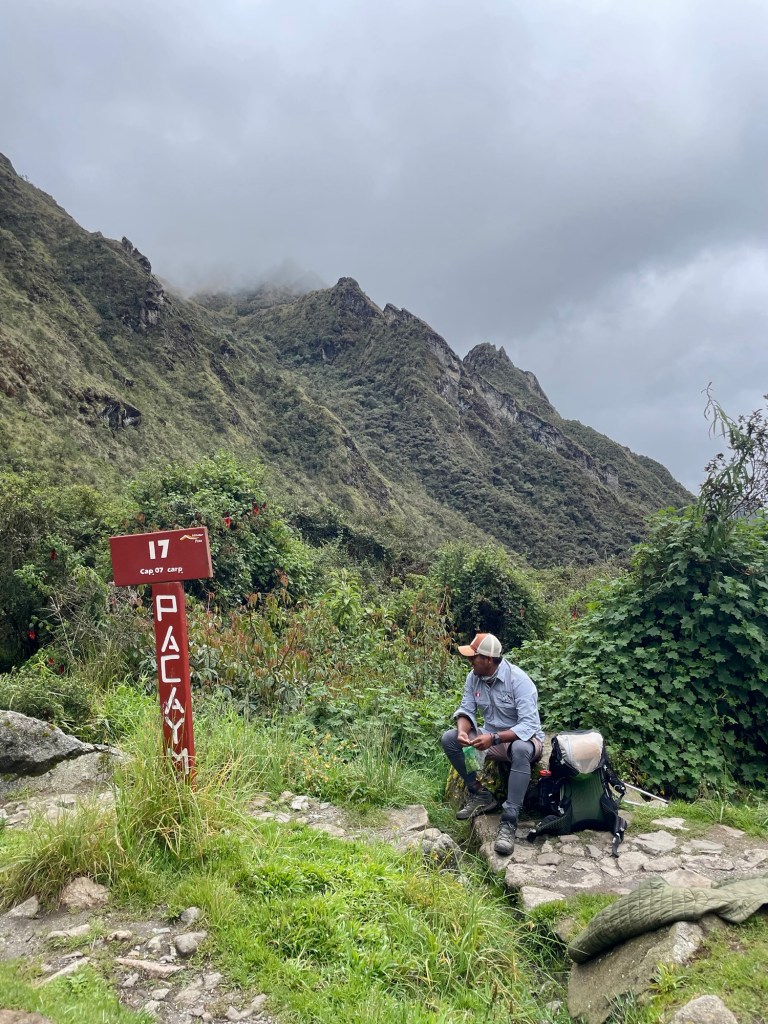
Because we had a short 2nd day, our 3rd day was our longest but it is also the most beautiful as you move to the jungle-type environment. We both really enjoyed this day as there was a mixture of up and downhill which kept things interesting. We got to our final campsite at 3pm and had another cold shower before our final meal.

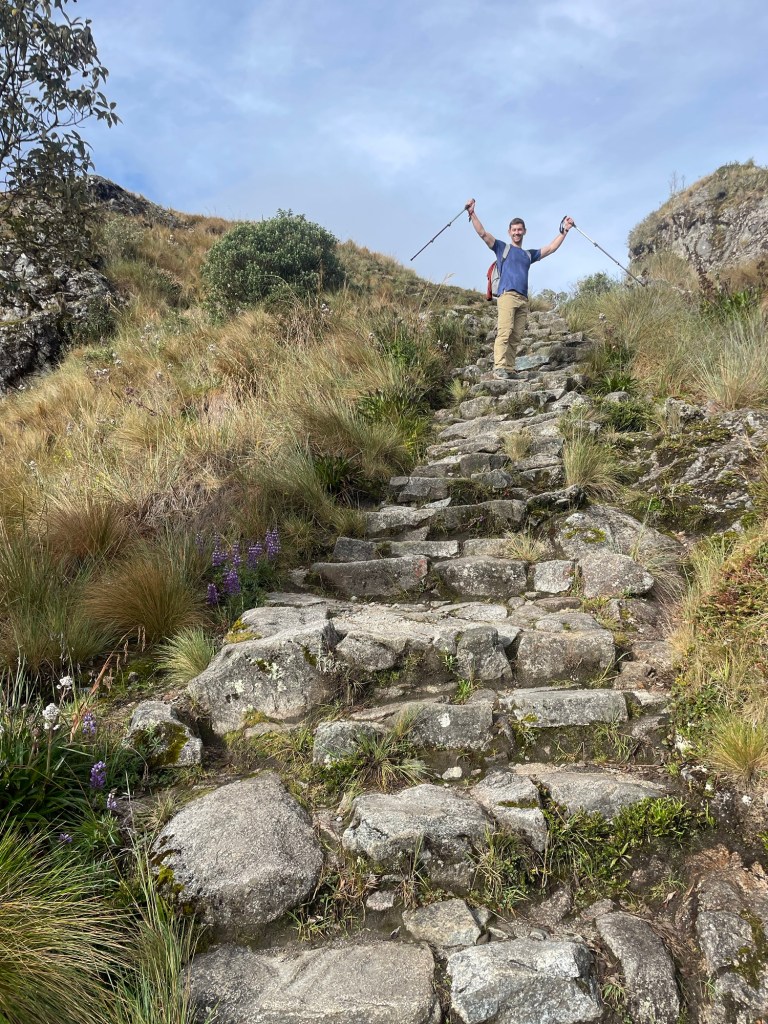

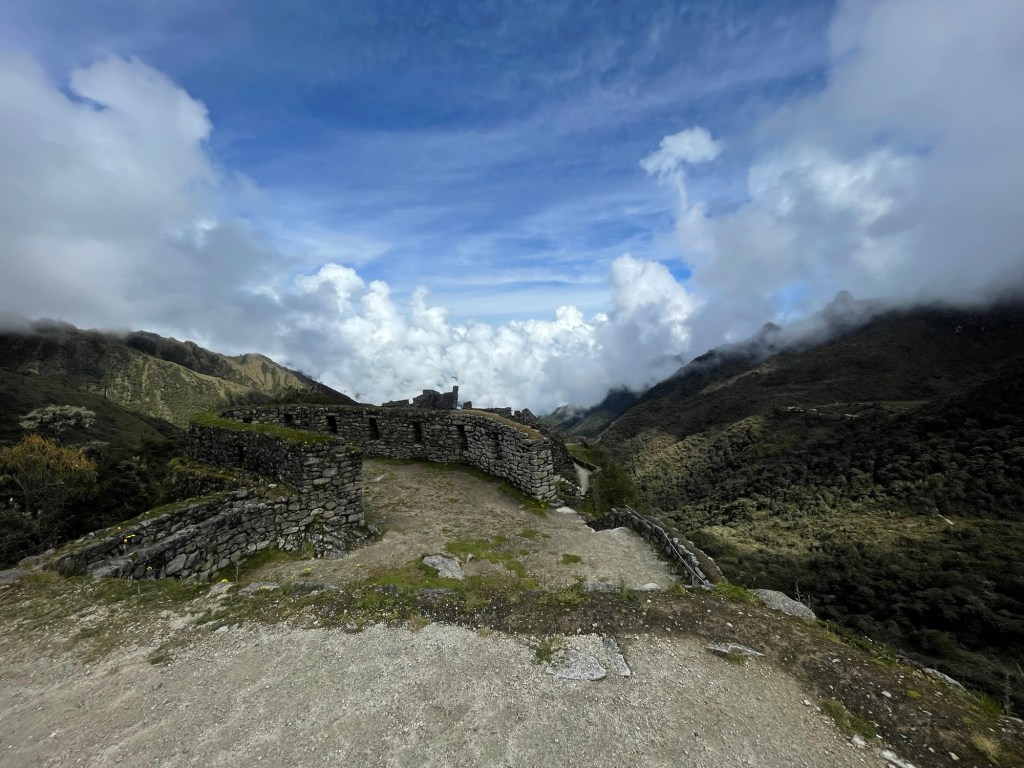


Fourth and final day – we made it to Machu Picchu! It’s a early wake up, 3:45am. We had some coca tea and a packed breakfast before heading down to the check point to wait until they opened at 5:30am. Once open, we hiked an hour to the Sun Gate – if you’re lucky you can see Machu Picchu from here. It was chucking it down the morning we got up and rained on and off until we got to the Sun Gate so we weren’t hopeful, but after about 20 mins, the rain stopped and the clouds did clear enough for us to see some of it!
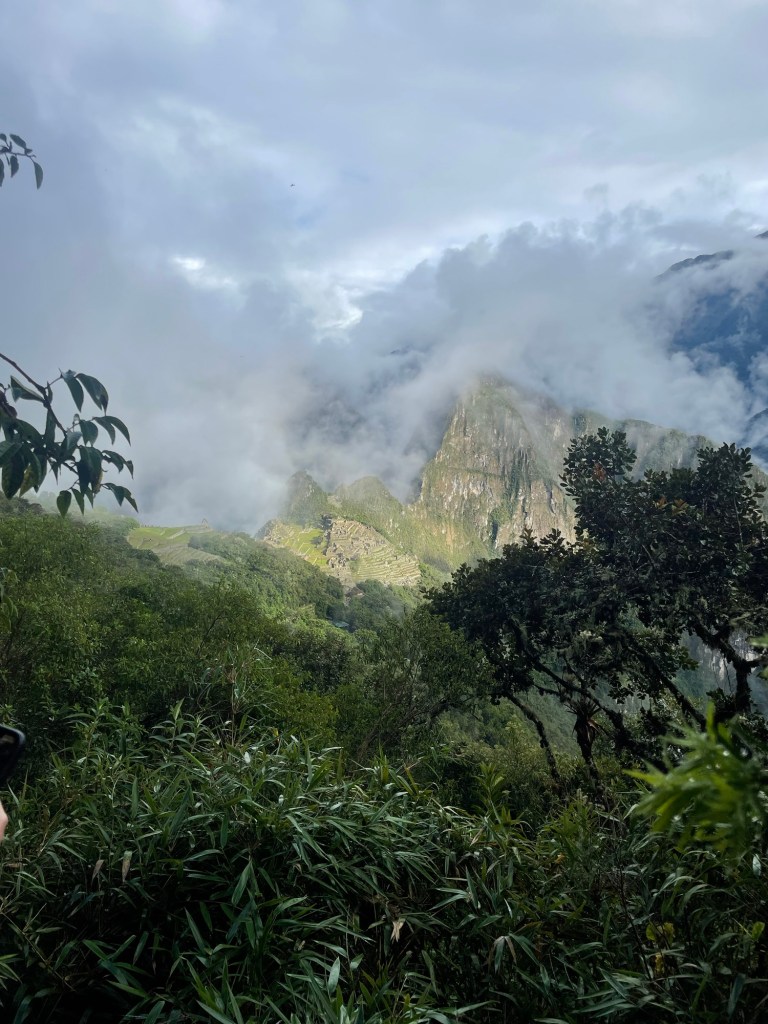
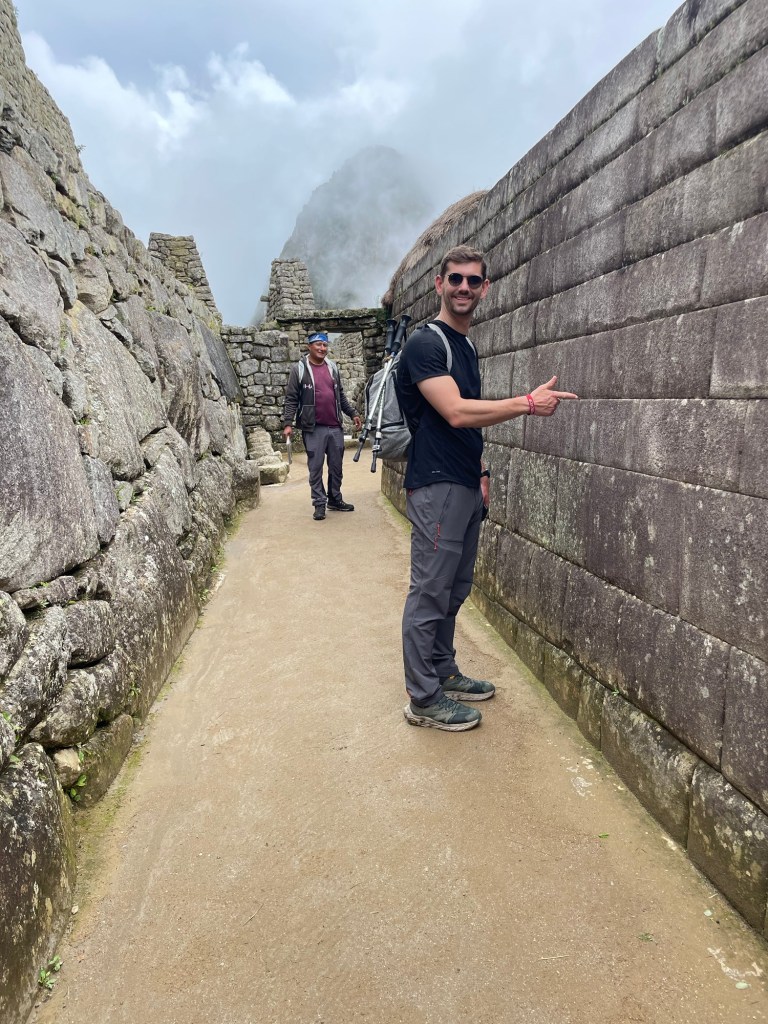
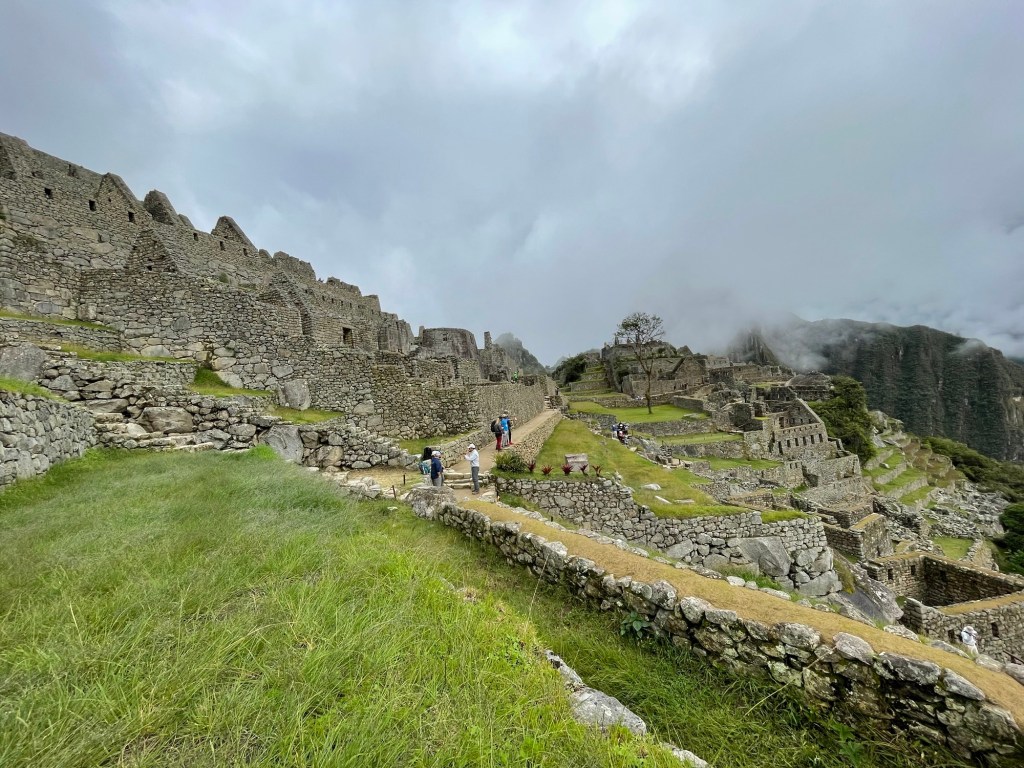
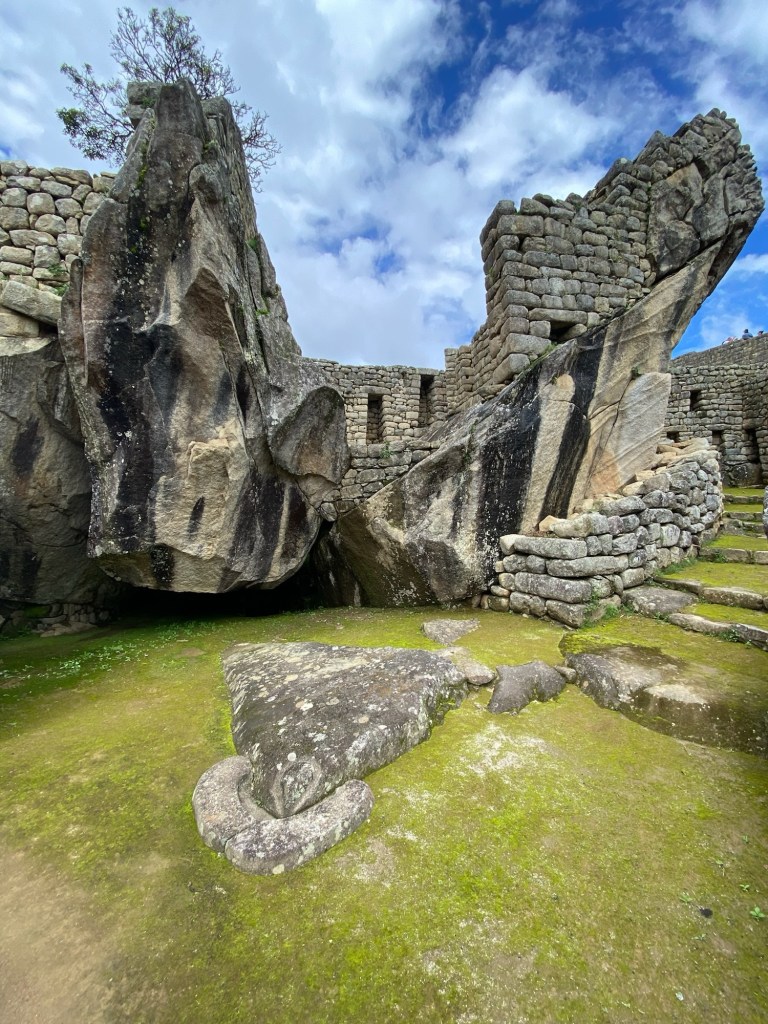
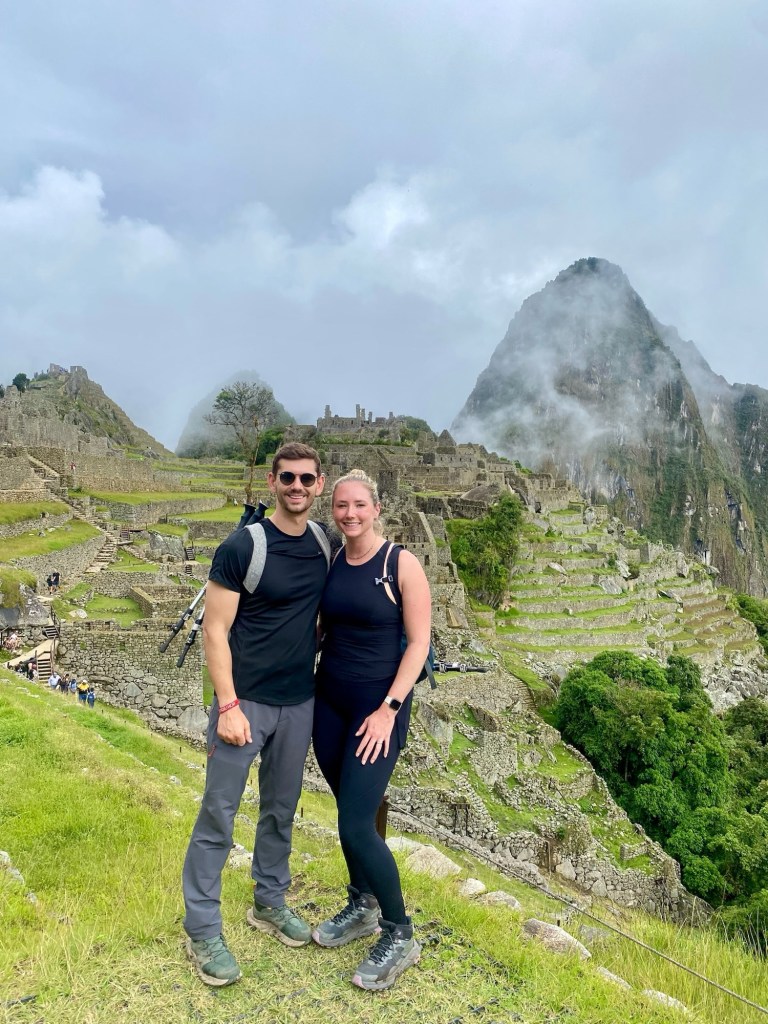
From the Sun Gate to Machu Picchu is another 45 mins-1 hour. By then the sun was out and we could see it really clearly from the path. We finally made it there just before 8am where we were shown to the private viewing platform that is reserved for those who have completed the Inka trail. We got some great pictures before heading into the actual ruins. As part of our package our guide gave us a 2 hour tour around the site and then it was all over!
I have to admit, the whole thing is just a bit mental. How did they build this entire city up in the clouds in less than 200 years? It doesn’t make sense! Also, it’s so much bigger than you imagine, even the foundations go over a meter underground for the entire city. The Inka’s really were top-tier engineers.




It’s a long journey back to Cusco from Machu Picchu: 1st there is a 20 minute bus to Aguas Calientes, then you normally wait about 3 hours there for your train. This was when we realised how tired we were, we had a celebratory Pisco and I had a Pizza and then we just waited….
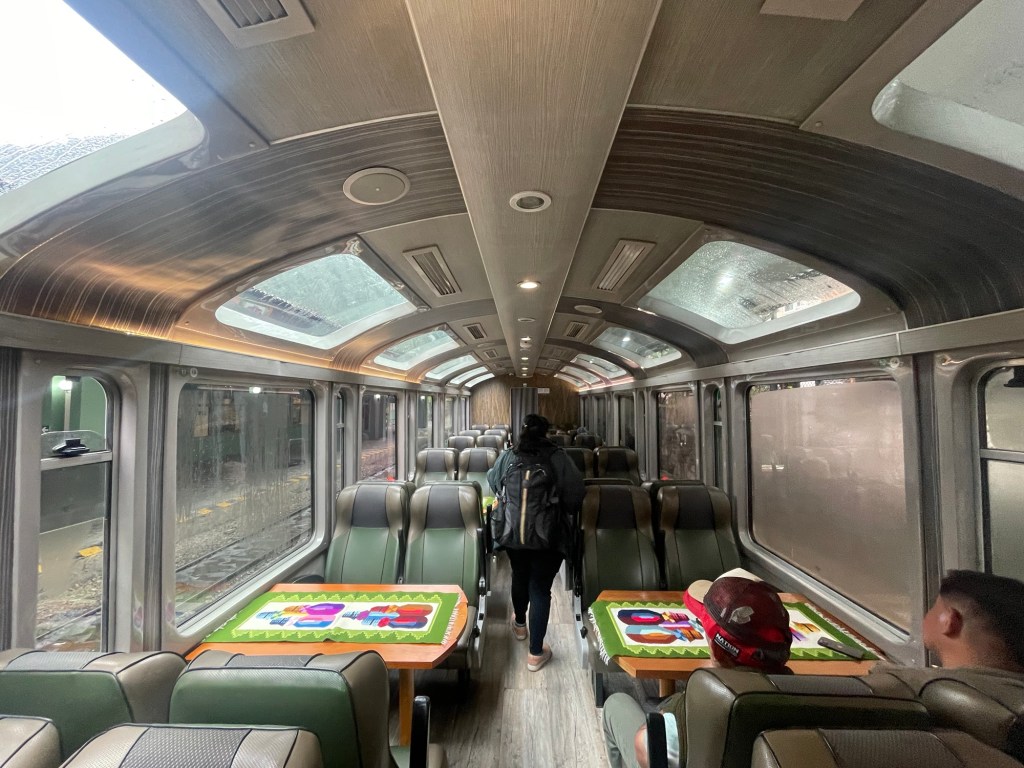
We paid a little bit extra for the Vistadome train which was pretty cool. They have windows all around so you can see the beautiful scenery, they give you tea and a snack and then they had a traditional Peruvian dance show and a fashion show! After 2 hours we arrived at Ollantaytambo where we had a private transfer waiting to take us back to our hostel.



Now, you may be tempted to jump straight on the overnight bus to Puno if you’re headed in that direction but dont! We booked a quiet hostel for 2 nights after the trail called Tucan hostel and it was the best decision. The beds were so comfy, the hostel quiet and it had a kitchen – it was the perfect place to rest, relax, do some laundry, catch up on admin before moving to our next destination.
Inka Trail Summary
In summary, the Inka trail is hard but a good amount of hard and it’s probably my favourite thing I’ve done so far on this trip, I can’t recommend it highly enough! You will not regret it.
- Recommended operators: Alpaca Expeditions, TreXperience, Machu Picchu Reservations
- Packing list: sleeping bag, hiking poles, 4 x tops, 2 x walking trousers or leggings, 1 x pair of shorts, 4 x hiking socks, 4 x pants, 2 x sports bras, hat, sun cream, sunglasses, beanie, gloves, thin jumper, thick jumper, rain jacket, water bottle/camelback, torch, bar of soap, sachet of shampoo, antibac, altitude and/or other medication, flip flops, 1 x outfit for being at the camp/sleeping in – I brought a PJ top, a pair of trackies and 1 extra pair of socks, portable charger, pack of cards, a couple of sweet treat snacks.
- Tips: On average people tip 150 soles per person (~£30) and this goes in a pot for the porters and cook, your guide is tipped separately. We tipped ~$25 per worker as it was only us on the trip and gave our guide $40. FYI – there is normally 2 porters per person plus a cook, so we had 5 staff plus the guide!
- Top tip: Take your time and enjoy the whole thing, don’t think of it just as a long walk to Machu Picchu, the trail is the nicest part.
 Backpack Bradie
Sounds amazing. Thanks for the heads up and all the details!
LikeLike